
Military Service & Leadership
Leadership is Earned. Not Given.
I enlisted at 17. I was in combat before most of my classmates started college. What the Army gave me -- beyond the training, the missions, the memories -- was a framework for how to lead people. Everything I've done since has been built on that foundation.
The Youngest in the Fight
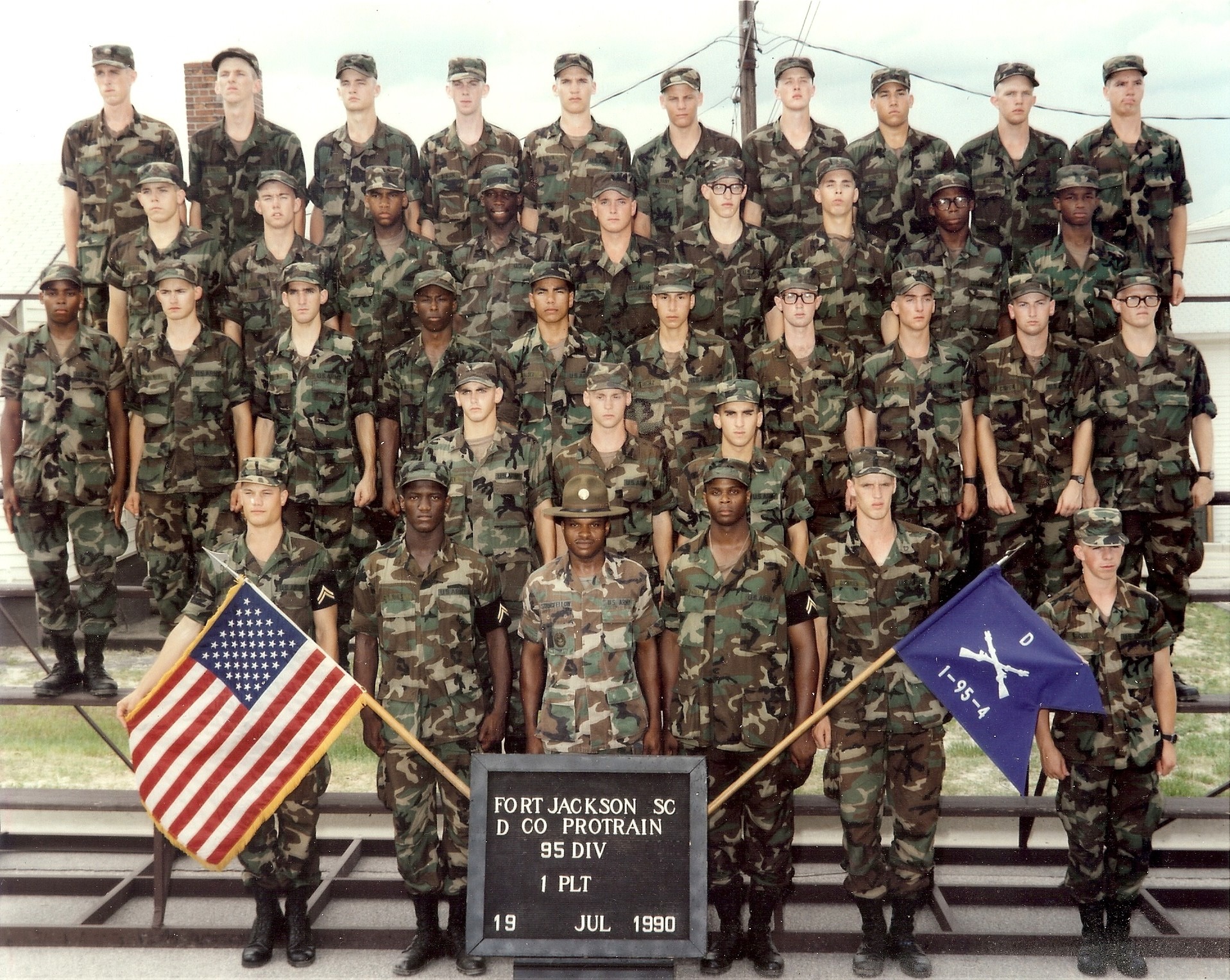
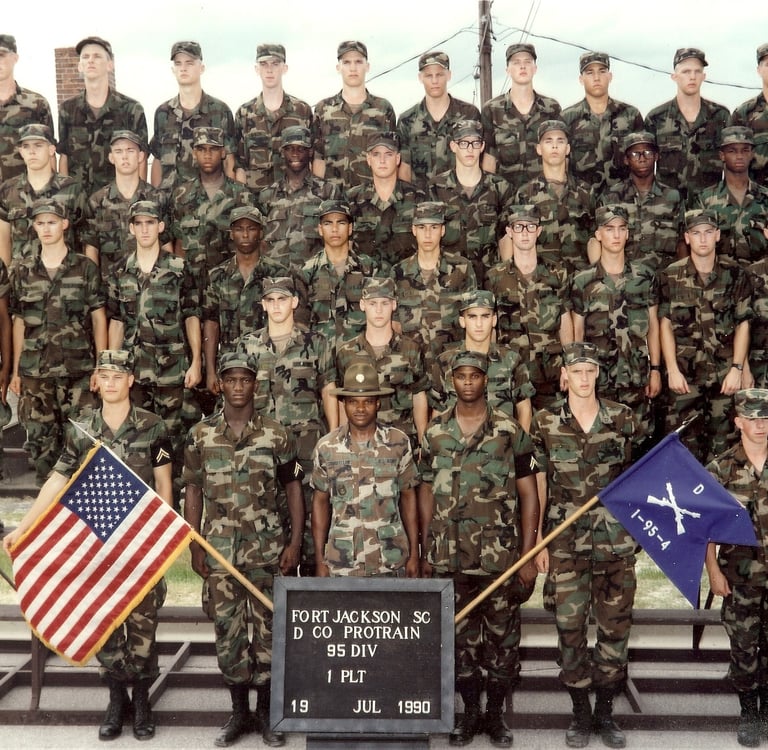
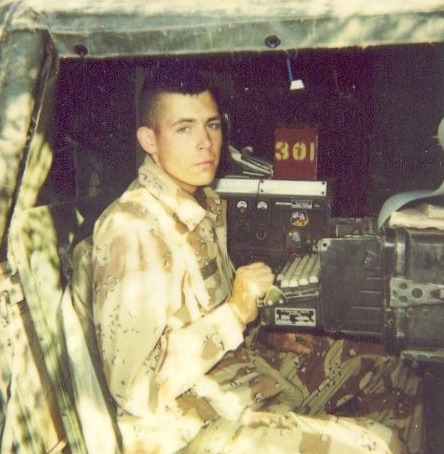
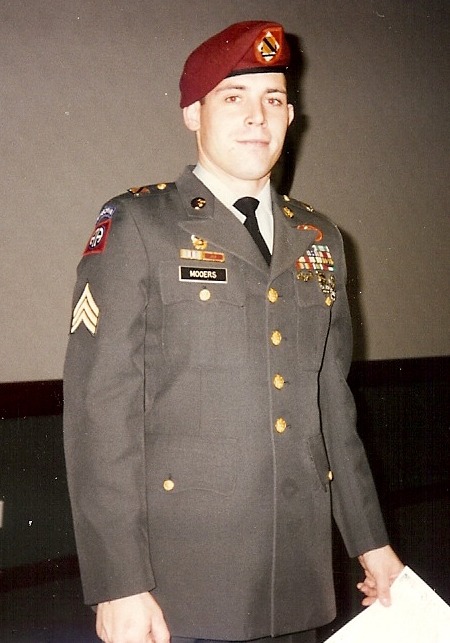
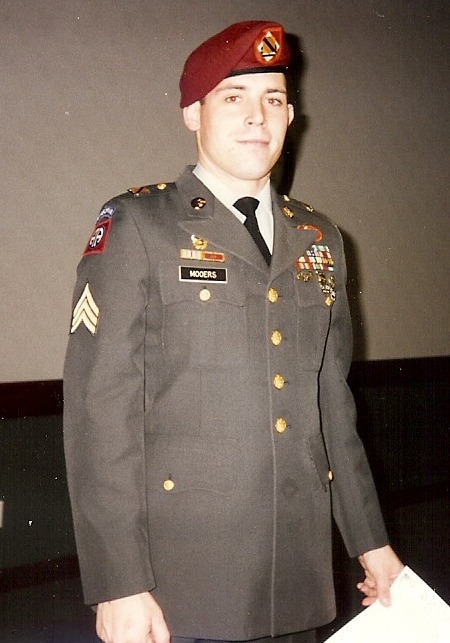
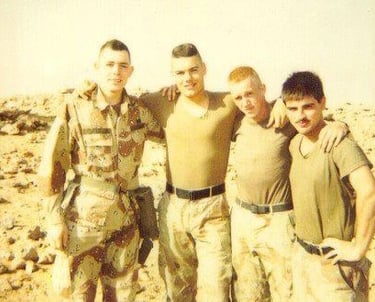
I enlisted in the U.S. Army at 17 years old, making me the youngest person from Utah to serve in Desert Storm, and possibly the youngest overall. Because I had skipped sixth grade and graduated high school a year early, I found myself in combat while many my age were still in school.
This unique distinction led to an invitation to meet Utah Governor Norman Bangerter, and my mother was his guest at the 1991 State of the State Address. Today, the National Desert Storm Memorial Association (NDSMA) is researching whether I was the youngest person to serve in the conflict.
Being so young, I had a lot to prove. I took my responsibilities seriously, and I learned fast—because in the military, you have to. There’s no room for hesitation.
From Keyboards to Combat
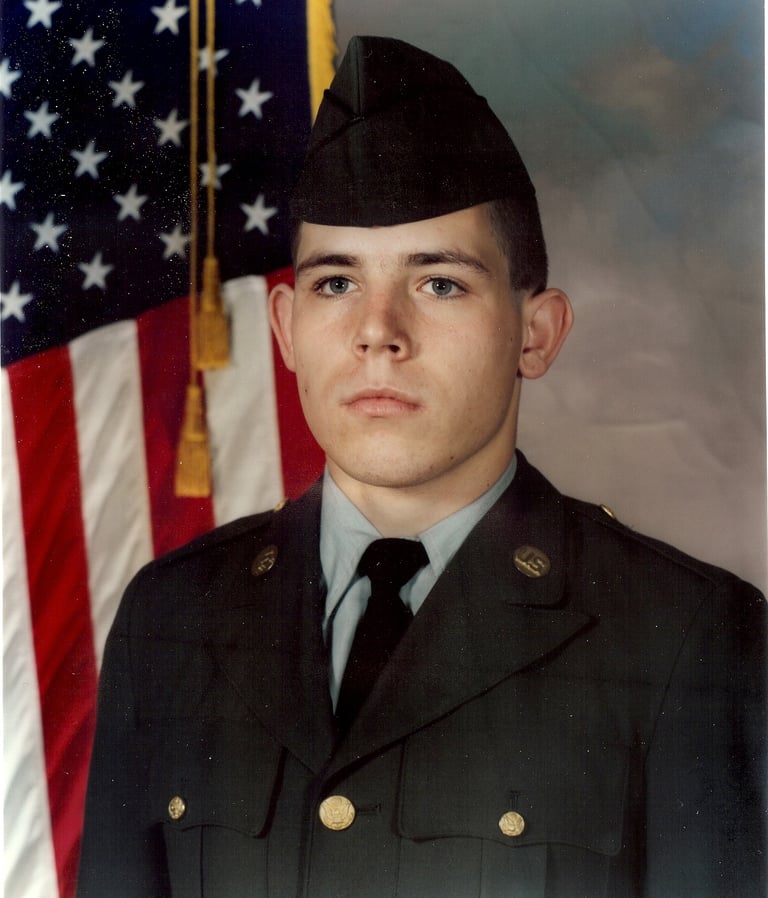
I joined the Army as a 31C (Single Channel Radio Operator), working in a RATT rig (Radio Teletype) -- which meant I was at a keyboard even in combat. After Desert Storm, I retrained as a 31R (Multi-Channel Transmissions Systems Operator/Maintainer), specializing in secure military communications.
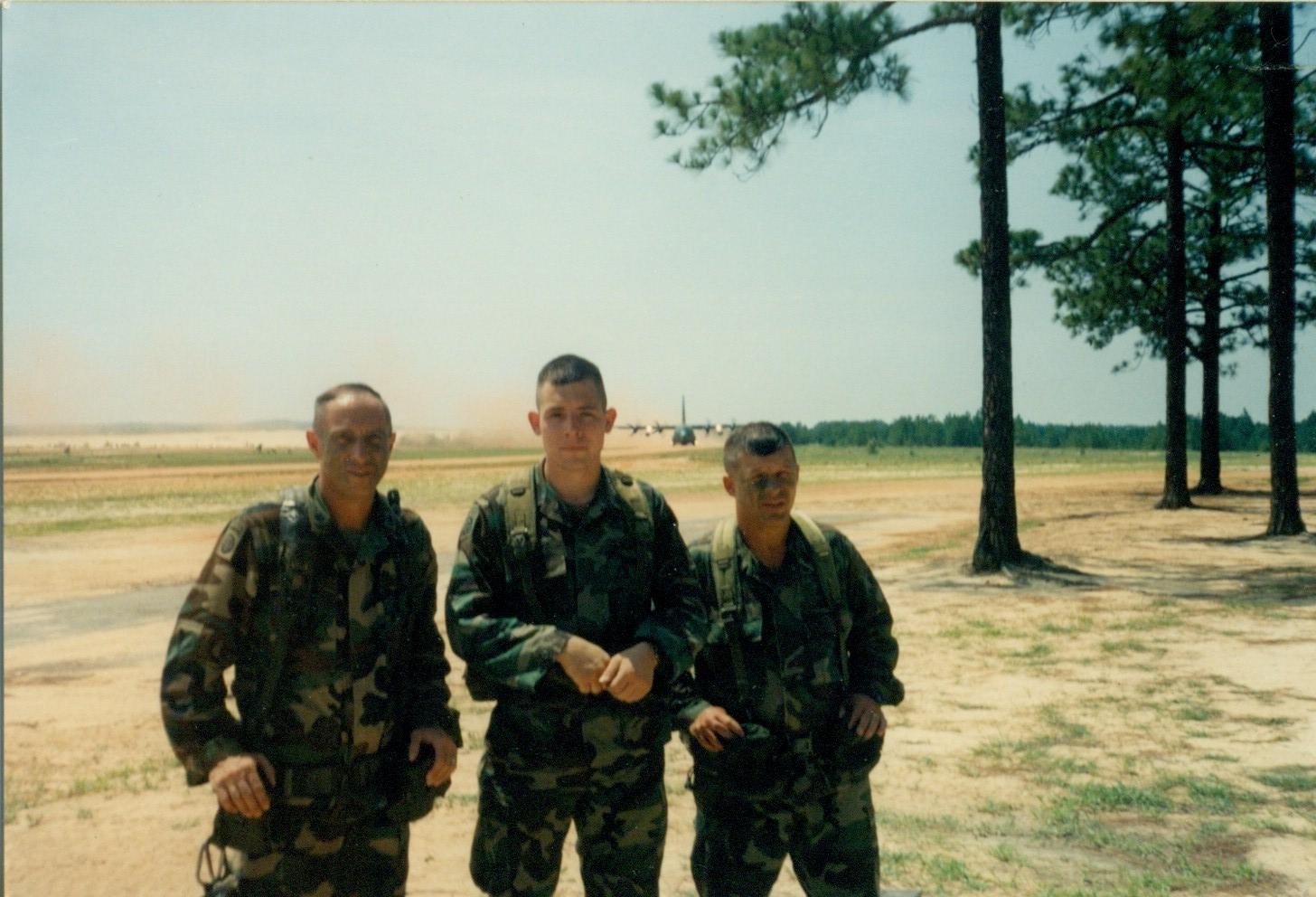
Serving nearly seven years, I completed Airborne and Air Assault training, became a Combat Lifesaver, and managed over $4 million in equipment while leading a team of 30 soldiers. I was promoted to Sergeant in just three years, earning multiple awards, including two Army Commendation Medals.
Living a Life Without Excuses
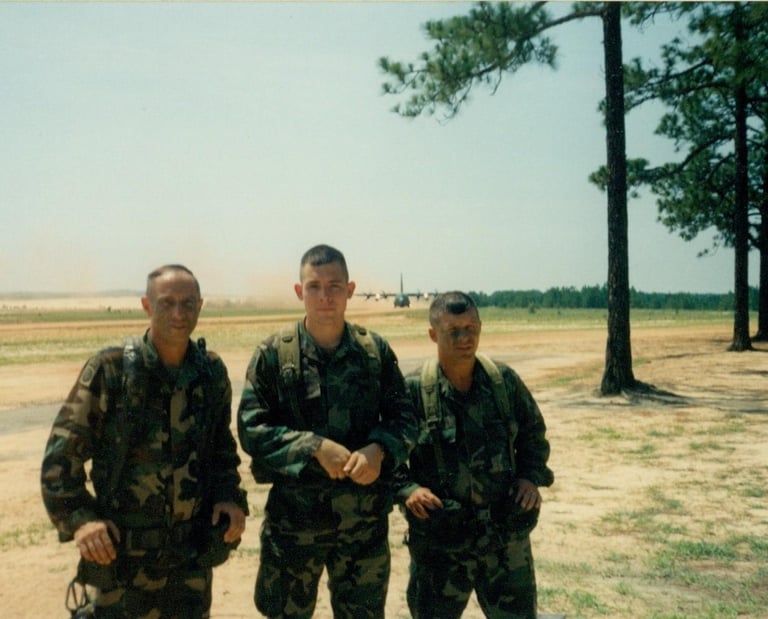
The Airborne lifestyle is demanding, and it changes you forever. These days, I tell people that being a Paratrooper means living a life without excuses. I never say "No because..." -- I always say "Yes, if...".
One of the single most valuable lessons I learned in the military is one I still use today: "If you can't get out of it, get into it." A Lieutenant taught me that during a brutal 30+ day field exercise in the woods. Complaining wouldn’t make it easier. Resisting wouldn’t make it shorter. But choosing to embrace it made all the difference. That mindset has served me well -- then and now.
Lessons in Leadership
One of the most important things I learned in the Army wasn't in any training manual. I watched leaders every day -- how they treated their soldiers, how they handled pressure, what they did when no one was watching. And I noticed that soldiers followed leaders for one of two reasons: because they had to, or because they wanted to.
Leaders who ruled by rank got compliance. Their soldiers did the minimum, watched the clock, and took every opportunity to make their lives difficult. Leaders who earned trust got something different -- people who showed up early, worked late, and had their leader's back the same way their leader had theirs.
I decided early on which kind of leader I wanted to be. That decision has shaped every team I've built and every organization I've led since.
The First Time I Saw Death
I was young. Too young, maybe. And like many soldiers, I remember the first time I saw death up close.
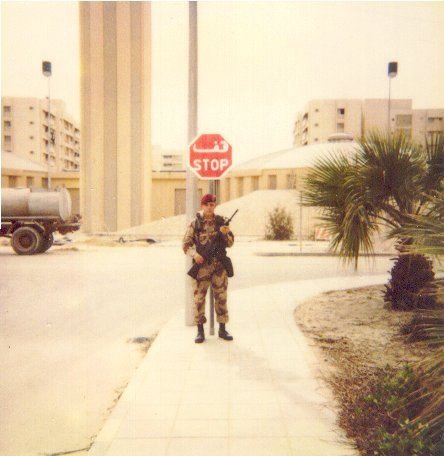
The first dead body I ever saw was a fallen Iraqi soldier on the battlefield. In that moment, I didn’t see an enemy -- I saw a human being. His mission ended when his life did. And I treated him with utmost respect, the way I would want to be treated if the tables were turned.
That moment shaped me. It reinforced my belief that respect transcends sides. That leadership is about humanity. And that every person, friend or foe, deserves dignity.
From the Battlefield to the Boardroom
The skills that made me effective in the Army are the same skills that make me effective as an engineering leader. Not the tactical ones -- the human ones. Knowing when to push and when to listen. Building trust before you need it. Making decisions with incomplete information and owning the outcome either way. Taking care of your people so thoroughly that they take care of each other.
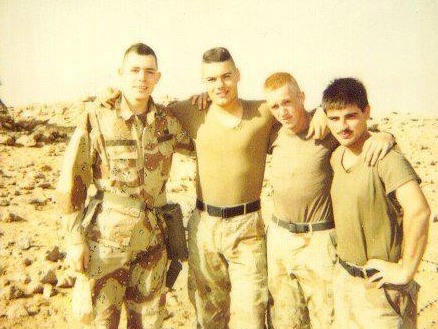
I don't run my engineering teams like military units. But I do run them with the same fundamental belief: that the people doing the work deserve a leader who is genuinely invested in their success. That's not a management philosophy I read in a book. It's something I learned watching soldiers in the desert decide whether a leader was worth following.
Final Thought
A leader's job is to lift others up—not stand above them.
The military gave me a lot of things. Discipline. Perspective. A permanent intolerance for excuses -- including my own. But the most important thing it gave me was a clear answer to the question every leader eventually has to face: are your people better off because you led them?
That's the standard I hold myself to. It always has been.